


Sleep Apnea Therapy – Aspen Hill, MD
Pocket-Sized Sleep Care You’ll Love
Do your days feel weighed down because you’re constantly fatigued? When you wake up in the morning, are you already thinking about your plans for when you go to bed? Is your partner always leaving the bedroom because of your chronic snoring? If these problems sound relevant to you, you may be one of millions of Americans who suffer from sleep apnea. This serious disorder not only robs you of the sleep you need to feel good, but it can negatively affect your overall health! At the Dental Center of Aspen Hill, our team of dentists can create a customized oral appliance that is proven to control your snoring and reduce the symptoms related to sleep apnea. Thanks to sleep apnea therapy in Aspen Hill, MD, both you (and those sleeping near you) can feel refreshed in the morning instead of groggy.
Why Choose the Dental Center of Aspen Hill for Sleep Apnea Therapy?
- All Patients Receive Fully Customized Oral Appliances
- Stop Your Chronic Snoring with Ease
- Replace Your Cumbersome CPAP Machine
What Is Sleep Apnea?
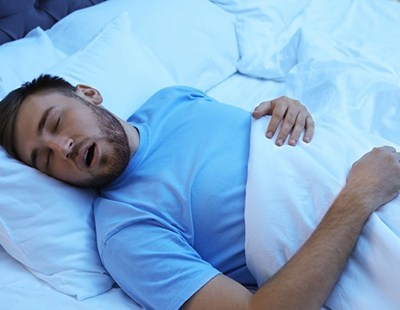
If you have sleep apnea, you probably experience momentary lapses in breathing throughout the night as you sleep. In many cases, this is a result of the tissue in the mouth and throat over-relaxing during slumber, which constricts the airway and causes the sleeper to awaken suddenly and out of breath. This can happen more than a hundred times in a single night in extreme cases, and waking up frequently in this manner can be incredibly harsh on the cardiovascular, endocrine and nervous systems.
The Dangers of Sleep Apnea

Untreated sleep apnea can lead to a wide range of unpleasant problems like:
- Snoring
- Fatigue
- Grogginess
- Depression
- Irritability
- Overeating
- Reliance on stimulants like caffeine or nicotine
- Increased risk of serious health issues like diabetes, stroke, and heart attacks
- Falling asleep while operating heavy machinery like automobiles
Sleep Apnea Treatment Options
Many dentists are trained and equipped to treat sleep apnea. While many people may assume that CPAP machines are the best way to address this issue, these devices can be quite unwieldy, invasive, noisy, and uncomfortable for many patients. At Dental Center of Aspen Hill, we instead offer customized oral appliances designed to snugly fit over teeth and hold the jaw in a forward position. This makes it harder for the airway to become constricted during sleep and helps you breathe normally, stop snoring, and wake up feeling rejuvenated.
Sleep Apnea FAQs
Why Should I See a Dentist for Sleep Apnea Treatment?
Sleep apnea is generally viewed as a medical problem rather than a dental problem, so it might seem counterintuitive to visit a sleep dentist. However, dentists are often the most qualified providers to address sleep apnea!
Dentists have an in-depth understanding of the upper airway and the factors that can affect how it functions. Plus, since you see our team regularly for checkups, we are in a good position to help you identify potential signs of sleep apnea.
One of our dentists, Dr. Sara Saba, even has advanced training in sleep and airway health treatments.
Does Everyone Who Snores Have Sleep Apnea?
No, snoring is not a surefire indication of sleep apnea, and not everyone with sleep apnea snores.
While these two issues often occur in the same individuals, they are distinct from one another. Snoring is simply the sound that occurs as air moves past loose tissues in the throat, causing them to vibrate. Light and occasional snoring can happen to anyone, and it is usually nothing to worry about.
Sleep apnea, on the other hand, is a serious disorder that causes pauses in breathing. It often occurs alongside loud snoring because the same tissues that make vibration noises can also completely block the flow of air at times.
Can I Diagnose Sleep Apnea on My Own?
No, you should not try to diagnose sleep apnea on your own. It has symptoms in common with other disorders, so it is important to undergo an official sleep test if you suspect you have it. Your doctor can help you arrange for testing.
However, we do advise you to monitor the quality of your nightly sleep. You can do so with a sleep journal, or you can use an app on your smart device. The data you collect can be useful in helping your care provider determine if you truly need a sleep test.
Will Oral Appliance Therapy Make CPAP Therapy Unnecessary?
In many cases, yes, an oral appliance therapy makes the use of a CPAP machine unnecessary. The appliance can adequately reposition the lower jaw to allow for uninterrupted airflow during sleep.
However, if your sleep apnea is moderate to severe, you might still need to use a CPAP. If you use it alongside an oral appliance, the appliance might allow you to adjust your machine to a lower setting.
Will My Sleep Apnea Go Away If I Lose Weight?
In some cases, obstructive sleep apnea occurs because extra fatty tissue around the throat or abdomen is placing pressure on the airway, leading to pauses in breathing. If that is true in your case, weight loss might reduce or even eliminate your symptoms. Often, modest weight loss is all that is necessary to notice great results.
Of course, it is important to keep in mind that sleep apnea can occur for reasons that have nothing to do with body weight or composition. If you lose weight, it may be a wise idea to request a sleep test from your doctor to determine if you still have sleep apnea.
Sleep Apnea FAQs
How Long Are Sleep Apnea Episodes?
Patients with sleep apnea, by definition, experience between 5 to 15 episodes per hour, though you might have more if your condition is moderate (15 to 30 events) or severe (30+ instances).
These events each usually last about 10 seconds and have been known to last up to 2 minutes in extreme cases. Undergoing a sleep test can help determine whether you are suffering from this nighttime disorder and, if so, how often episodes occur, what type of sleep apnea you have, and how serious it is.
Can Children Have Sleep Apnea?
Plenty of children snore at night or wake up at seemingly random times, leading some parents to wonder if it’s possible for kids to also develop this disorder. Although an estimated 1% to 8% of children are believed to have this condition, it can be difficult to identify because they often develop different symptoms than adults.
For instance, they might struggle with bed-wetting, night terrors, or difficulty focusing during the day. This can often contribute to hyperactivity or learning problems that can affect their education, growth, and development. Your child will require an official sleep test before proceeding with treatment.
Does Insurance Cover Sleep Apnea Treatment?
Dental insurance can often be an effective way to reduce costs for everything from routine preventive visits to more complex procedures, and our office in Silver Spring is in-network with many major PPO providers. But you’re not alone if you’re wondering whether your policy will cover sleep apnea solutions. However, because this issue is usually considered a medical condition, most plans don’t include coverage.
With that said, there’s a chance your medical insurance might contribute to your treatment. If you’re unsure whether you have any available benefits from your policy that might apply, you can ask our friendly office staff for help. They are familiar with the process and are happy to assist you.
How Should I Clean My Sleep Apnea Oral Appliance?
Our team helps reduce your sleep apnea symptoms by providing custom-fitted oral appliances that help correct your jaw alignment to keep your airways open. Keeping it clean is essential to preventing common oral issues, such as cavities or gum disease.
One simple way to help maintain your appliance is to wash it every morning when you wake up. You can do so by gently scrubbing all its surfaces with a soft-bristle toothbrush and clear dish soap or non-abrasive toothpaste that won’t harm the material. You can also soak them in a glass with denture cleanser, which can help kill unwanted bacteria while maintaining their shape.